




Rules for night vision device operation
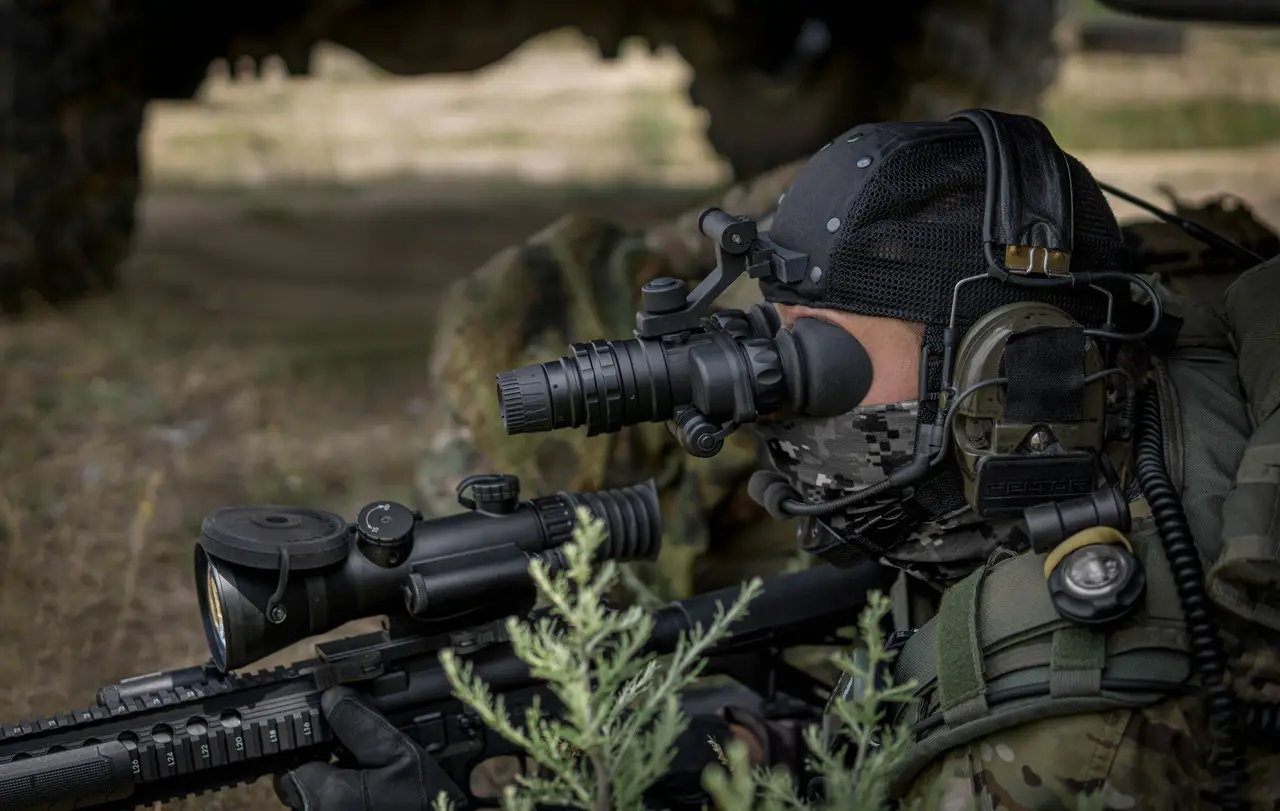
The use of night vision devices is becoming an increasingly integral part of modern military and civilian activities. However, to fully harness their capabilities, it is crucial to understand how to store and utilize these devices.
In this article, we will delve into the concept of EO (electro-optical) converters and how external factors such as humidity, sunlight, and temperature fluctuations can impact their effectiveness. Electro-optical converters (EO) are a pivotal component of night vision devices. They operate on the principle of converting photons of light into an electrical signal, which is subsequently processed and displayed on a screen. This enables the use of these devices in conditions of limited light or even near-complete darkness. Negative factors influencing night vision devices.
1. High humidity can lead to condensation inside the optical elements of night vision devices, making their operation less effective. If moisture has entered the night vision device, it is crucial to act quickly and correctly to avoid damaging the equipment. Here are a few steps that can be taken:
- Turn off the device immediately to prevent short circuits or other damage.
- If possible, remove the batteries or disconnect the device from the power source. This will help stop any processes that could lead to corrosion or other damage.
- Use a soft cloth or tissue to gently wipe away any moisture from the surface of the device. Be careful not to leave scratches or other marks on the lenses of the device.
- Place the device in a dry location where it can completely dry. Avoid using heat sources (such as a heater) as they may damage the electronics.
- Allow sufficient time for the device to fully dry before restoring power. The drying time may vary depending on the level of humidity and the type of device (ranging from a few hours to a day).
2. Direct sunlight can have a negative impact on Electro-Optical Converters (EOCs), leading to their overheating. Use protective caps or filters to prevent direct sunlight from reaching the optical elements. If a night vision device has been exposed to intense sunlight and overheated, take the following steps:
- Immediately disconnect the device and remove it from the power source.
- Transfer the device to a cool place or shade to reduce the sun's thermal impact and allow it to cool down.
- Leave the device in a cool area for it to cool down. Ensure proper ventilation to facilitate heat dissipation.
- Refrain from turning on the device until you are certain it has completely cooled down.
3. Sharp temperature changes can impact the functionality of EO devices. Ensure a gradual adaptation of the devices to new conditions to avoid the formation of condensation inside optical systems.